Speakeasy, Westchester NY
Looking For A Speakeasy In Westchester County? Start Here
By Your Local Bartender
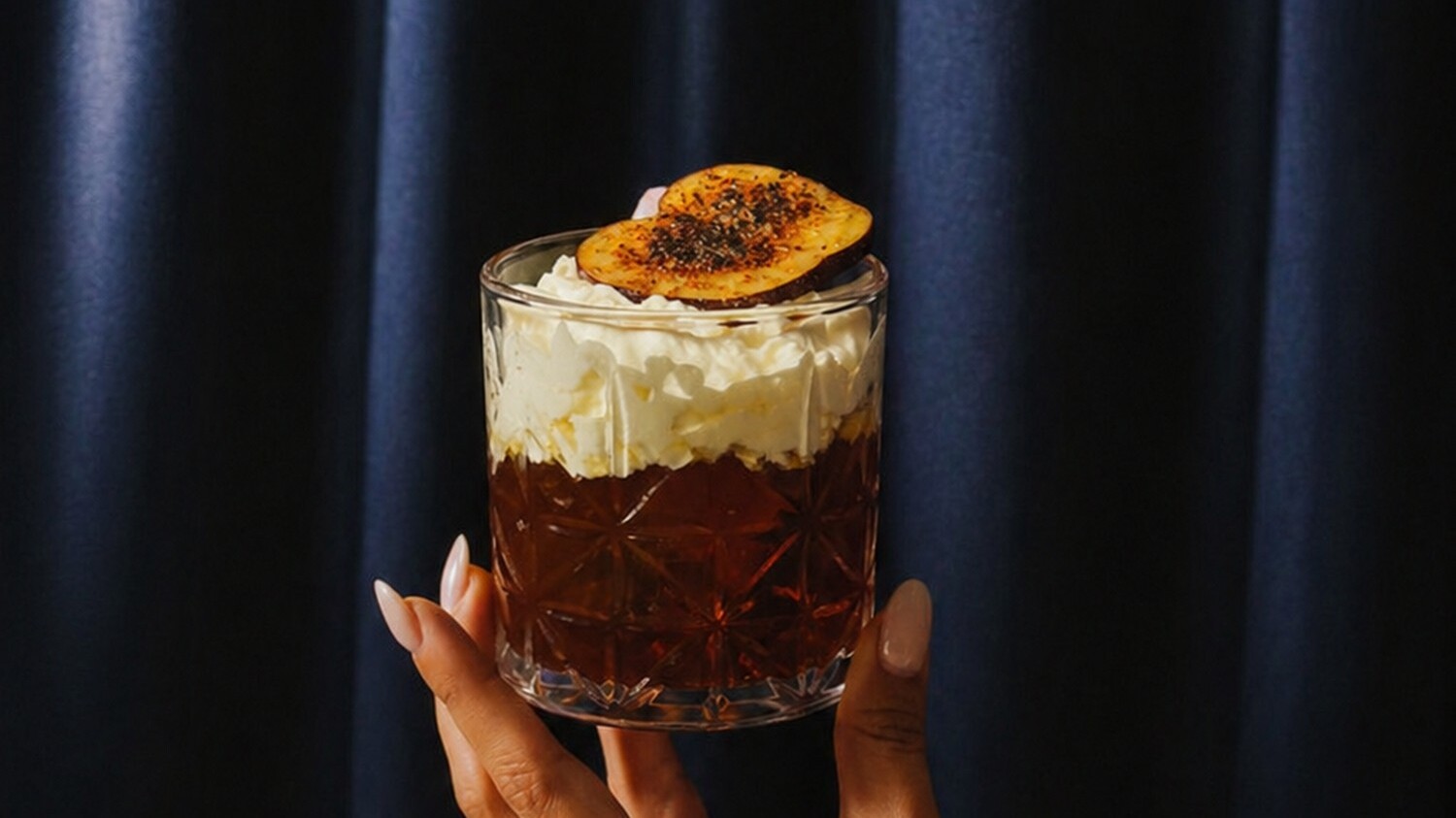
You can find a speakeasy-style experience in Westchester County along the cocktail corridor around Harrison. The genuine ones share an edited drink list, an intimate room, and a focus on craft over volume rather than a literal hidden door. Barroom, a neighborhood cocktail bar on Harrison Avenue in Harrison, New York, is one example, walk-in and built around the drink.
Key Takeaways
- A modern speakeasy is defined by an edited cocktail list, low light, and craft technique, not necessarily a hidden entrance.
- Lower Westchester County, around Harrison, has become a small corridor for craft cocktail bars.
- Barroom is a walk-in neighborhood cocktail bar on Harrison Avenue, open Monday to Saturday from 4 PM, no reservation required.
- The term speakeasy dates to the Prohibition era of 1920 to 1933, when bars operated in secret.
The word "speakeasy" gets used loosely now. Half the bars that claim it just dimmed the lights, printed a longer cocktail list, and hung a vintage mirror. The real thing is rarer, and it is less about a hidden door than about intent. So if you are searching for a speakeasy in Westchester County, it helps to know what you are actually looking for, where the genuine version lives, and how to tell it apart from the costume. Here is the honest guide.
What "Speakeasy" Actually Means
The original speakeasies were a response to Prohibition. When the sale of alcohol became illegal across the United States from 1920 to 1933, drinking did not stop. It went underground, into hidden rooms and back rooms disguised as ordinary businesses. The name most likely came from the need to speak quietly, or speak easy, so the bar would not be overheard by the law, and by the middle of the 1920s there were tens of thousands of them in New York City alone. You can read the full history of Prohibition-era speakeasies at History.com.
There is a detail in that history worth holding onto. Because the alcohol of the era was often rough, bartenders leaned hard on juice, syrup, and bitters to make it drinkable. That necessity is part of where the classic cocktail tradition comes from. The speakeasy was not just a place to drink in secret. It was, by accident, a workshop for the craft cocktail.
That is the thread that survived. The hidden door did not have to. What the word means now is a feeling more than a format. Low light. Close quarters. A short, sharp cocktail list built around technique rather than volume. No televisions fighting for your attention. The sense that the people behind the bar care about what is in the glass. You do not need a secret entrance to deliver that. You need a point of view, and that is the part most places skip.
The Westchester Cocktail Corridor
For a long time, a night out in lower Westchester meant a narrow choice. A loud sports bar, or a restaurant bar that happened to pour drinks. If you wanted a serious cocktail, you got on a train to Manhattan. The craft cocktail moment changed that. Over the past few years, a small corridor of rooms across the lower county has started to treat the cocktail as the reason to come rather than an afterthought to dinner.
That corridor runs through Rye, Mamaroneck, Larchmont, White Plains, Scarsdale, and Port Chester, with Greenwich just across the Connecticut line. Harrison sits right in the middle of it. Close enough to the city to borrow its standards, far enough to keep its own pace, it is the kind of place where a serious cocktail bar in Westchester can actually breathe, because it is not competing with a hundred others on the same block.
That is the backdrop for the search. When someone looks for a speakeasy in Westchester, they are usually not after a history lesson or a literal password. They want the feeling the corridor has started to deliver: a real drink, in a real room, close to home. The question is which rooms are doing it for real, and which are just borrowing the word.
What Separates A Real Speakeasy From A Theme
As the label spreads, so does the gap between bars that earn it and bars that borrow it. A few markers tend to tell them apart, and they are easy to check the moment you walk in.
The list is short. A genuine cocktail program is edited. Forty drinks is a menu built to please everyone and commit to nothing. Twelve drinks you can trust is a point of view. The shorter, sharper list is almost always the better sign.
The technique shows. Watch how a drink gets made. Fresh juice rather than a sour mix gun. Deliberate dilution. The right ice, cut or molded for the drink rather than scooped from a bin. Small things that add up to the difference between a cocktail and a colored drink.
The room does the work. Light, sound, and seating set the tone before the first sip. A speakeasy feel is quiet enough to hear the person across from you, dim enough to feel like an escape, and close enough to feel like you have found somewhere rather than wandered into a hall.
It is about the night, not the volume. The goal of a real cocktail room is not to move you through quickly. It is to make you want to stay. You can feel the difference in how you are treated, in whether the bartender has time to make the drink right.
By those measures, the hidden door is beside the point. A bar that hits them delivers the speakeasy experience whether or not it has a password. A bar that misses them will not be saved by exposed brick and Edison bulbs.
The Craft Behind The Bar
The part that separates the corridor's best rooms from the rest is the same part that separated the original speakeasies from a bottle passed around a back room: the craft. A good cocktail is a small piece of engineering. Balance between sweet, sour, bitter, and strong. Temperature and dilution dialed in by how the drink is shaken or stirred and over what ice. Fresh ingredients, because citrus juiced this morning tastes nothing like the stuff from a bottle.
None of that is visible on a menu. It shows up in the glass, and in whether you want a second one. It is also why a real cocktail bar can charge what it charges and still feel like value. You are not paying for the ounce of spirit. You are paying for the judgment around it, the same judgment that turned rough Prohibition liquor into the classics we still order a century later.
This is the lens worth bringing to any speakeasy search in Westchester. Not "does it have a hidden room," but "does the person behind the bar know what they are doing, and does the room give them the space to do it." When both are true, you have found the real thing.
Barroom's Take
Barroom is a neighborhood cocktail bar on Harrison Avenue, and it sits squarely in this conversation. It does not trade on a hidden door or a password. It is exactly what it says it is: a neighborhood cocktail bar where cheers never end. The room is built around the drink, the program is edited rather than endless, and the feel leans intimate, the kind of place that reads as a speakeasy in spirit even without the costume.
If you want to judge the program for yourself, the drinks menu is the place to start. The point is not a gimmick. It is a serious cocktail made well, in a room that respects the night.
It also sits in the right spot. Harrison is central to the corridor, a short walk from the Metro-North station, which makes Barroom easy to reach from Rye, Mamaroneck, White Plains, and the rest. The short version: if you are searching for a speakeasy in Westchester and what you really want is a serious cocktail in a room that respects the night, Barroom is built for exactly that. Come early for happy hour, which runs from open at 4 PM, or late for a nightcap. No reservation needed. Walk in, and see why it belongs in any honest conversation about the best cocktail bars in Westchester.
Come See For Yourself
The best way to settle the speakeasy question is to sit down and order. Barroom is on Harrison Avenue, walk-in, and built around the drink, right in the middle of the Westchester corridor.